
Innovative solutions for resilient grasslands across 9 European pedoclimatic zones and New Zealand
-
Funding Program: Horizon Europe
-
Call: HORIZON-CL6-2025-02-FARM2FORK-06
-
Grant Agreement No.: 101288958
-
Type of action: Research and Innovation Action (RIA)
-
Duration: 1 October 2026 – 30 September 2030 (48 months)
-
EU funding: €7,999,435
-
Consortium: 20 partners from 14 countries
-
Coordinator: Teagasc – Agriculture and Food Development Authority, Ireland
Why Grasslands Matter
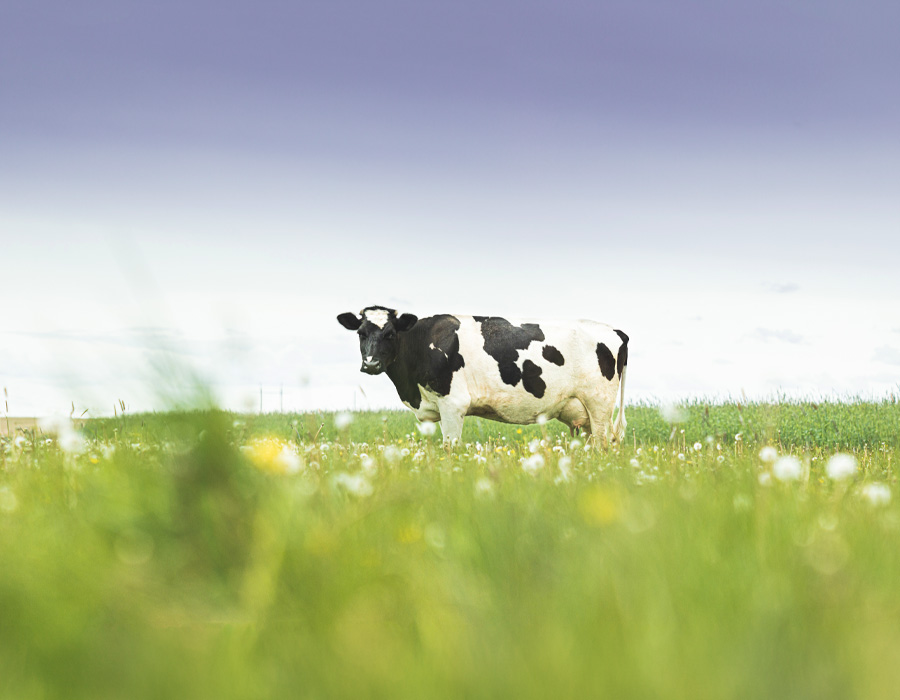
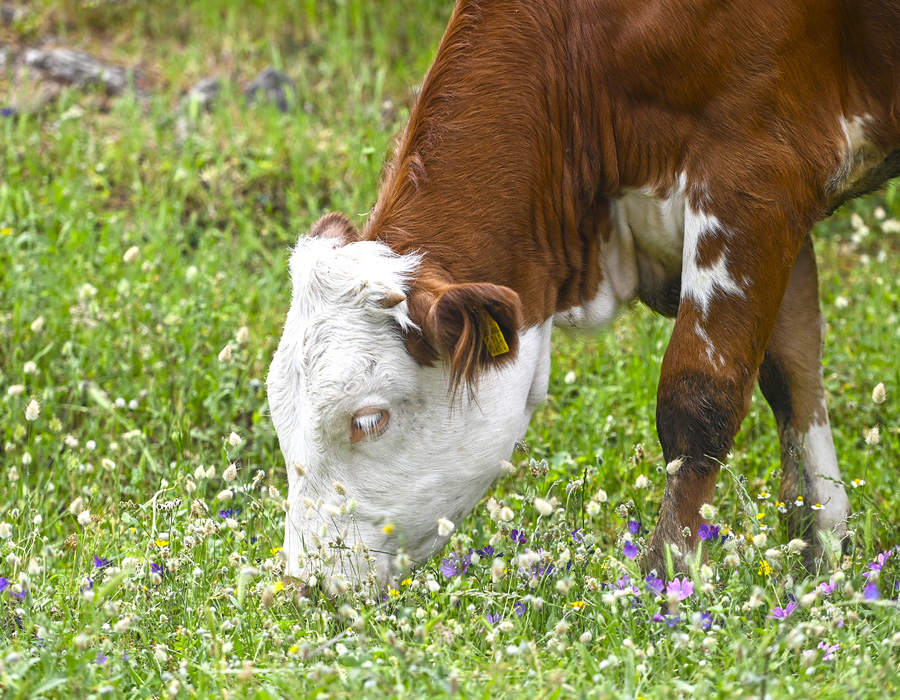
Grasslands cover 34% of the EU’s agricultural area. Through grazing livestock, they turn forage into nutrient-dense food, often on land that is unsuitable for crops. At the same time, they store carbon, support biodiversity, purify water, protect soils from erosion and shape Europe’s cultural landscapes.
Yet European grasslands and grazing systems are in decline. Intensification, land-use change, abandonment, soil degradation and climate change are all taking their toll, and substantial investment through the Common Agricultural Policy (CAP), including eco-schemes and agri-environment-climate measures, has not reversed these trends.
It is time to manage grasslands for everything they deliver: food, climate, nature and rural livelihoods.
What Is Grassland Multifunctionality?
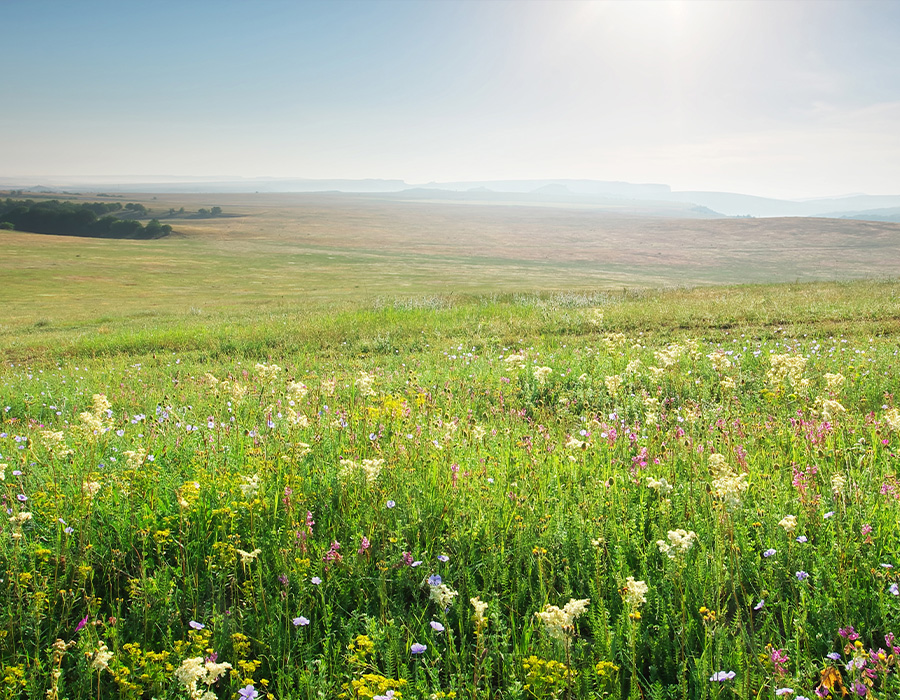
A multifunctional grassland does several jobs at once. It produces high-quality forage and profitable milk and meat, while delivering ecosystem services such as carbon sequestration, nutrient cycling, soil health, water retention, pollinator habitat and climate resilience. Managing for all of these together requires good data, clear indicators and practical tools, and today these are often missing. Grassland data is fragmented, metrics are outdated and integrated assessment tools are limited.
-
Building Partner Farm Networks
At the heart of GrassWise are Partner Farm Networks: groups of at least 15 commercial farms in each of Europe’s nine pedoclimatic zones, 135 farms in total, from the Atlantic coast to the Boreal north and the Mediterranean south, with New Zealand as an international partner. Supported by trained Facilitator Agents and Communities of Practice, farmers, advisors, researchers, industry and policymakers work together through a multi-actor approach to co-create, test and refine solutions on real farms.
-

Generating Harmonised Data
GrassWise brings together data from partner farms, field experiments, Earth Observation and existing legacy datasets into one harmonised framework. Grassland experiments in six pedoclimatic zones and New Zealand will test practices such as multispecies swards, grazing management and soil improvement, generating evidence on productivity, forage quality, biodiversity and emissions.
-

Monitoring and Benchmarking Performance
The project will develop an indicator framework and benchmarks to assess the social, environmental and economic performance of grassland farming systems across diverse pedoclimatic contexts. This allows farmers to see how they compare and helps everyone understand the synergies and trade-offs between productivity, ecosystem services and farm profitability.
Providing Practical Tools
GrassWise will co-design the GrassWise Data Platform and four decision-support tools, together with the people who will use them:
PastureBase Europe (PBE):
a real-time, farmer-centric web tool for grassland management, building on a system already used by more than 7,000 Irish farmers.
Farm Assessment Tool (FAT):
benchmarks the ecosystem services and overall performance of individual farms.
Landscape Assessment Tool (LAT):
simulates how grassland management affects outcomes at landscape scale, giving policymakers credible evidence.
EO Grassland Analytics Tool:
uses high-resolution Copernicus satellite data to deliver spectral indices and biomass estimates.
Through the GrassWise Policy Support Desk and Policy Collaboration Platform, the project works directly with EU, national and regional policymakers. Policy scenario modelling, cost-benefit analysis and a Europe-wide survey on the non-market value of grasslands will provide robust evidence to refine CAP instruments in line with the European Green Deal, the Biodiversity Strategy, the Organic Farming Action Plan and the Nature Restoration Regulation.
Results will reach farmers and advisors through open days, farm walks, practice abstracts, farm videos, a training programme and the GrassWise Knowledge Corner, as well as through national advisory systems (AKIS) and the EU CAP Network.
GrassWise is ambitious, action-ready and grounded in real farming practice, bringing science, data and farmers together for productive, resilient and sustainable grasslands across Europe.